

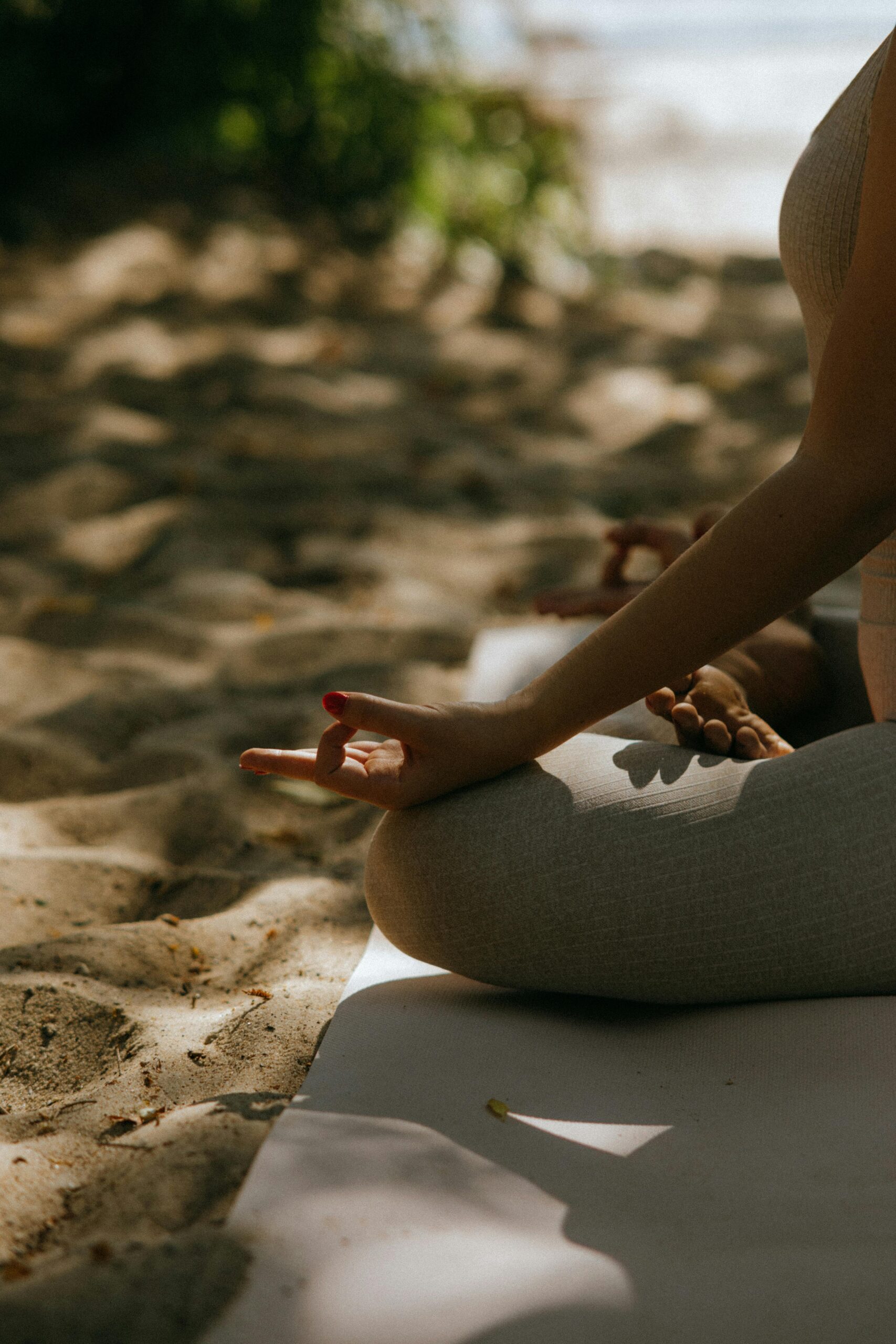
In recent years, mindfulness meditation has become a popular practice worldwide, and for good reason. From reducing stress to improving focus, this simple yet powerful technique is making waves in the health and wellness community. But what exactly is mindfulness meditation, and why is everyone talking about it?
What Is Mindfulness Meditation?
Mindfulness meditation is the practice of intentionally focusing your attention on the present moment without judgment. It encourages awareness of your thoughts, feelings, bodily sensations, and surrounding environment. Unlike other forms of meditation, mindfulness doesn’t require emptying your mind—it’s about observing and accepting your experiences as they are.
Why Mindfulness Meditation Matters
- Reduces Stress and Anxiety
Research shows that mindfulness meditation can lower cortisol levels, the body’s stress hormone. Practicing regularly helps manage anxiety, allowing you to respond to challenges calmly. - Improves Focus and Concentration
Mindfulness enhances your ability to stay present. This can lead to better productivity, decision-making, and mental clarity. - Supports Emotional Well-being
By observing your thoughts without judgment, mindfulness meditation can help regulate emotions, increase self-awareness, and promote a positive outlook on life. - Enhances Physical Health
Studies suggest that mindfulness meditation may reduce blood pressure, improve sleep quality, and even strengthen the immune system.
How to Practice Mindfulness Meditation
- Find a Quiet Space
Choose a calm environment where you can sit or lie down comfortably without distractions. - Focus on Your Breath
Pay attention to your breathing—notice the inhale and exhale. If your mind wanders, gently bring it back to your breath. - Observe Thoughts Without Judgment
Rather than fighting intrusive thoughts, acknowledge them and let them pass like clouds in the sky. - Start Small
Begin with 5–10 minutes daily and gradually increase the duration as you feel comfortable. Consistency is more important than length. - Incorporate Mindfulness in Daily Life
Mindfulness isn’t limited to meditation. Practice being present while eating, walking, or even washing dishes.
Tips for Beginners
- Use guided meditation apps or videos to help structure your practice.
- Join a mindfulness group or class for support and motivation.
- Be patient; progress takes time, and the benefits accumulate with regular practice.
Conclusion
The buzz around mindfulness meditation is not just hype—it’s backed by science and thousands of personal experiences. By dedicating a few minutes each day to mindfulness, you can reduce stress, improve focus, enhance emotional health, and support overall well-being. Whether you’re a beginner or have tried meditation before, now is the perfect time to explore the calming, transformative power of mindfulness meditation.
Leave A Comment